What parcel logging is
Parcel logging is the act of recording a delivery when it arrives: what came, who it is for, and when it landed. Every building with a steady flow of post does it in some form. The only real question is whether it is done in a book that sits by the door or in a system that does something useful with the record.
The trouble with the paper book
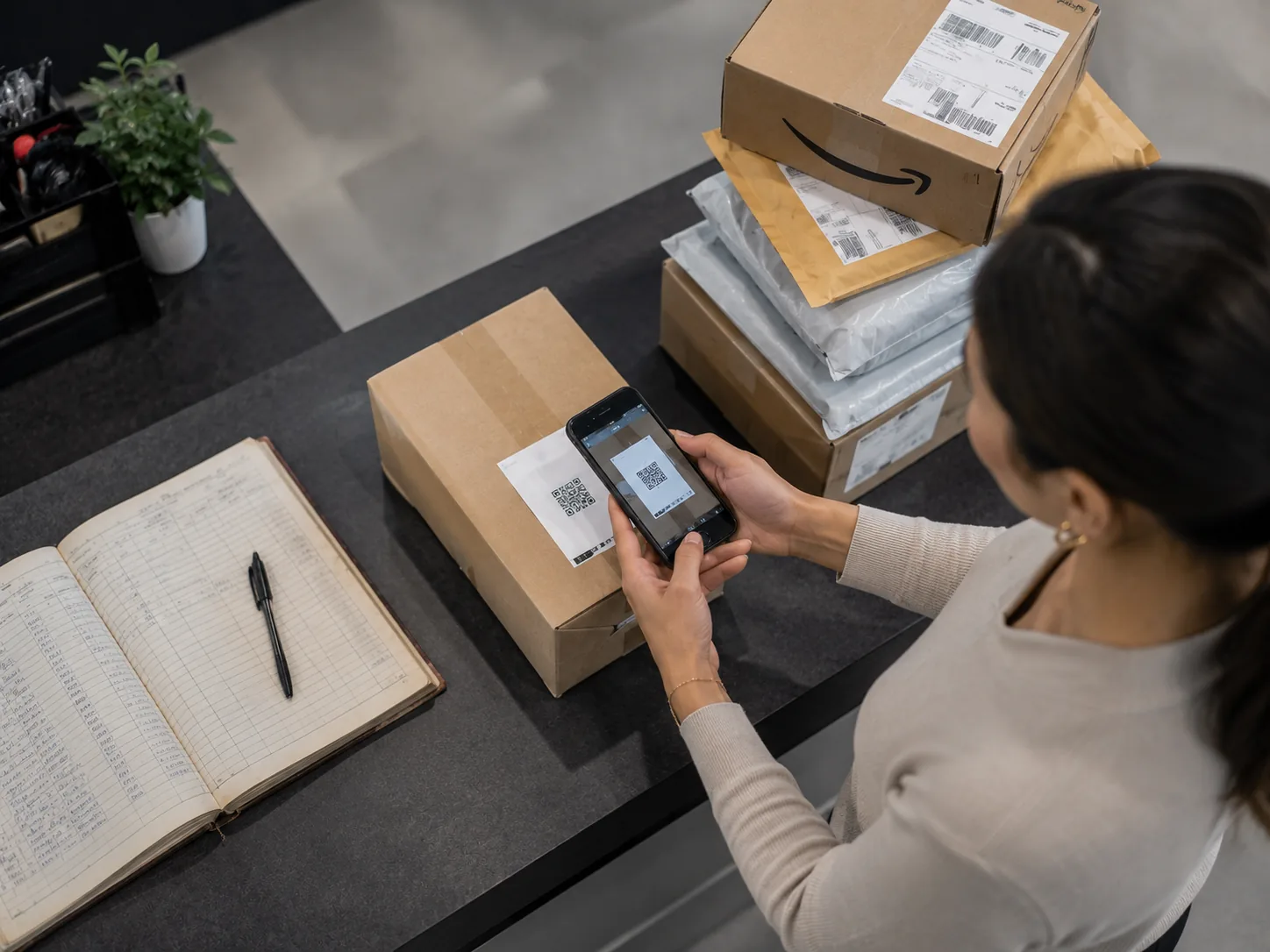
The logbook has one job and does half of it. It notes that a parcel arrived. It does not tell the recipient, so items sit uncollected. It does not record who took them, so there is no proof. And it cannot be searched, so a query means turning pages by hand. The book also depends on someone filling it in every time, which is the first thing to slip when the desk is under pressure.
How scanning replaces it
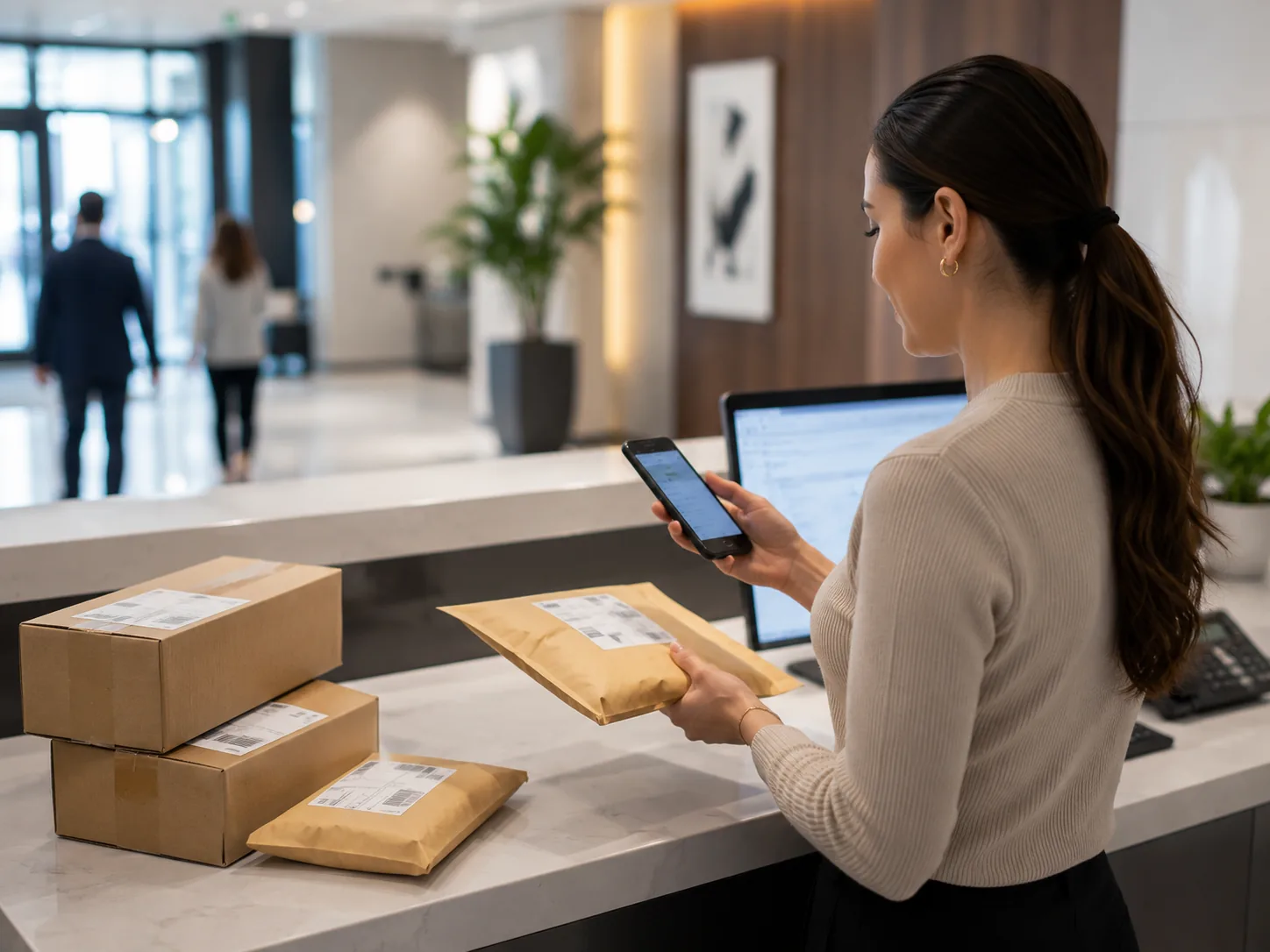
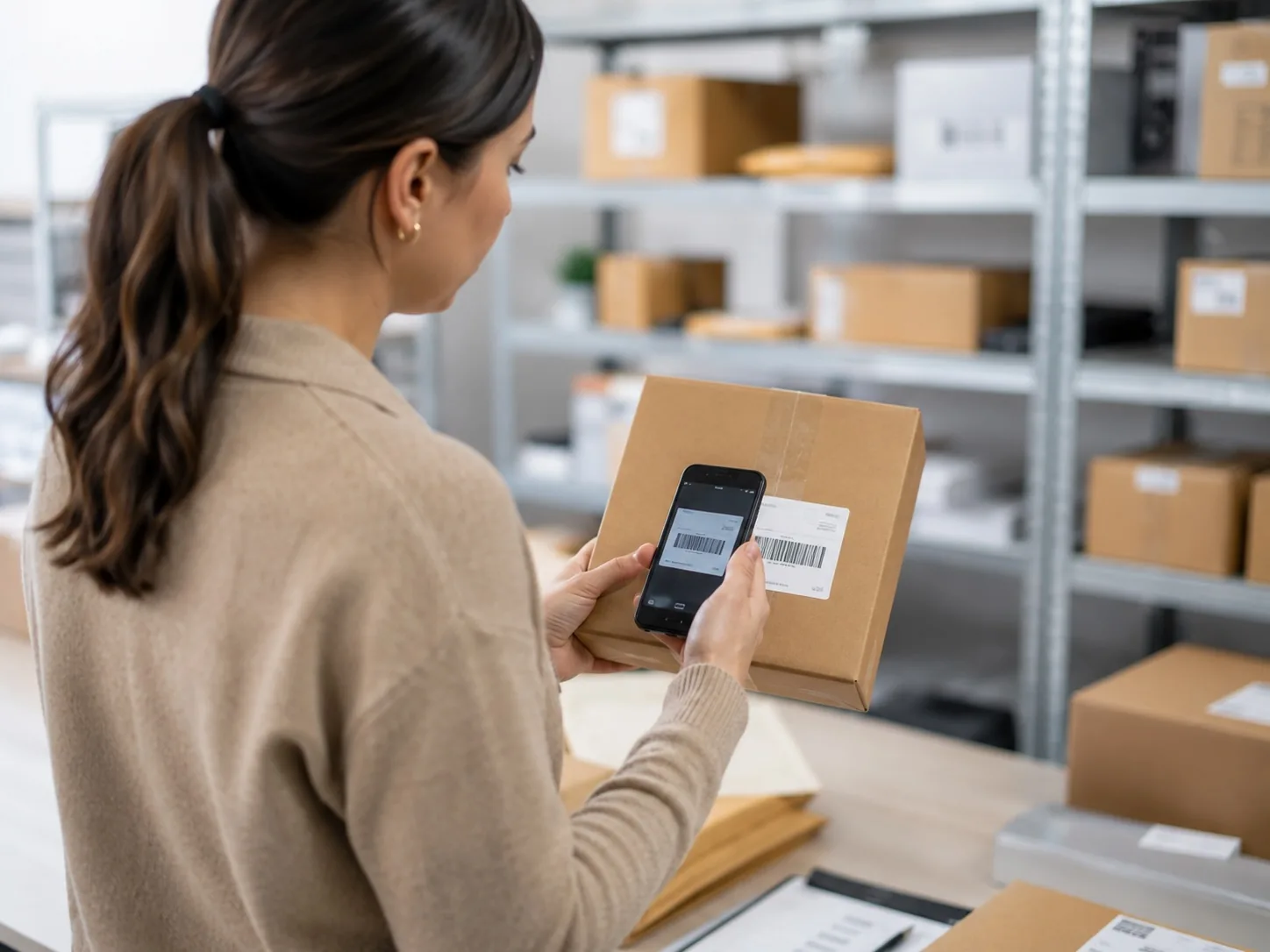
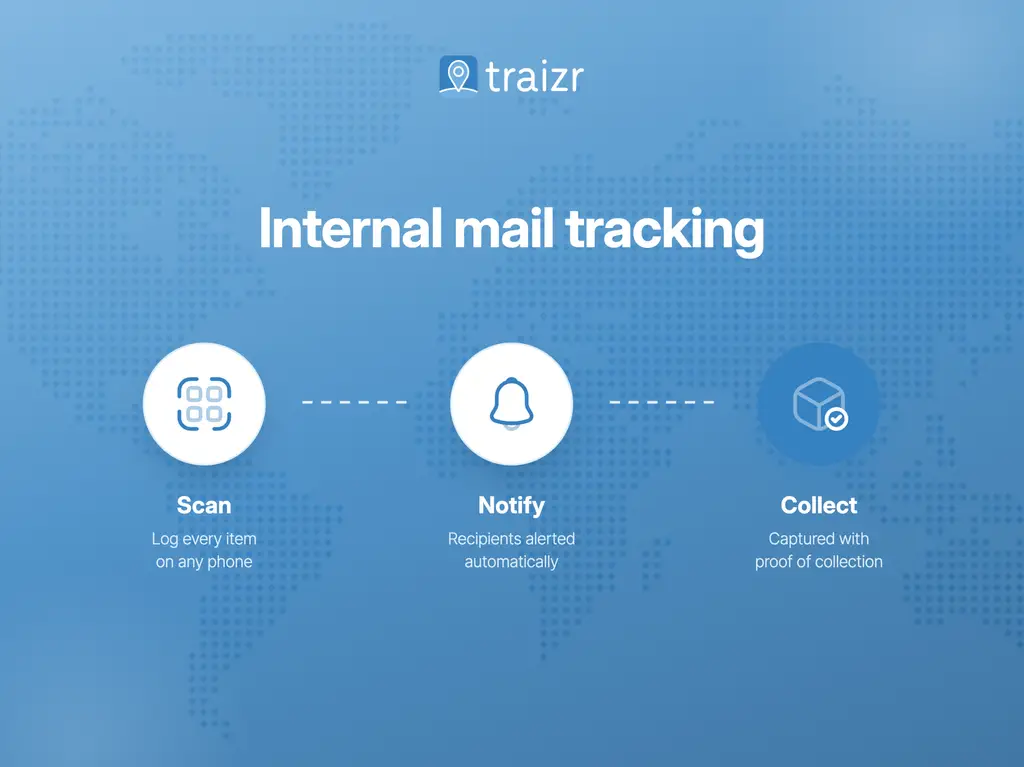
Scanning turns logging from a chore into a reflex. A member of staff points a phone at the label, the item is booked in, and the recipient is notified in the same second. At collection a second scan records who took it. The whole thing is faster than writing a line in a book, and unlike the book it produces a searchable, time-stamped history. We use QR codes rather than barcodes because they read cleanly from a phone without a dedicated scanner.
What is worth logging
You do not need to capture everything, just enough to answer the questions that come up. The recipient, the time of arrival, the courier if it helps, and proof at collection. Beyond that, more fields only slow intake down. The right amount of detail is the amount you will actually be asked about later.
Why speed decides everything
A logging process lives or dies on how quick it is at intake. If booking in an item takes real effort, it gets skipped on the busy days when the record matters most, and the gaps quietly undermine the whole thing. Fast, phone-based logging is what keeps the record complete, which is the entire point of keeping one.
From book to system
Moving off the paper book is a small change with an outsized payoff: nothing lost, everyone notified, and a history you can trust. Traizr has replaced the logbook in offices and buildings since 2013 with a straightforward parcel tracking system. Our note on managing incoming parcels shows the flow in practice, and if you would rather see it live, book a demo.