This page lists the mailroom management software worth shortlisting in 2026, grouped by the kind of building each one is built for. It is published by Traizr, so we are on the list and we have said why. Every other entry is a neutral description of what that product is and who it serves, with a link to a fuller comparison. Nothing here states what a competitor cannot do, because that changes and you should check it yourself.
Last reviewed: September 2026.
Software for staffed mailrooms and receptions
These are dedicated mailroom products. Someone receives the post, logs it, and the software notifies the recipient and records the collection.
Traizr
Best suited to: organisations that have to prove who collected an item, and that notify recipients in more than one language.
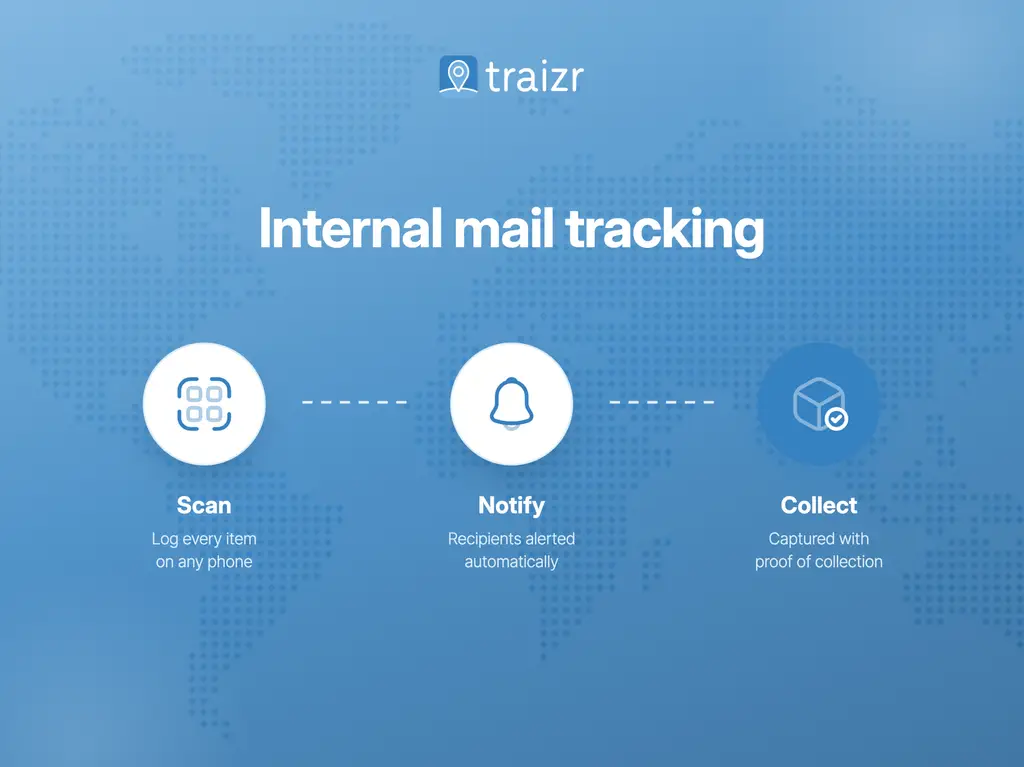
Traizr logs every delivery on arrival, notifies the recipient automatically, and captures a signature, name or photo at handover. It is used across corporate offices, universities, hospitals and student accommodation. The interface runs in 14 languages and the chain of custody covers arrival through to collection. We have been doing this since 2013. Book a demo.
Parcel Tracker
Best suited to: offices, residential buildings and higher education.
Parcel Tracker is a mailroom app used across offices, residential buildings and higher education, built around logging parcels and notifying recipients. Read the full comparison.
Notifii Track
Best suited to: residential and campus settings in North America.
Notifii is a capable package tracking tool with a strong following in North America, particularly across residential and campus settings. Read the full comparison.
EZTrackIt
Best suited to: corporate, residential and university mailrooms that work from the shipping label.
EZTrackIt is a long-established package logging system used by corporate, residential and university mailrooms, built around scanning the shipping label on arrival. Read the full comparison.
QTrak
Best suited to: teams that want a phone or tablet as the scanner and a signature at handover.
QTrak turns an iOS or Android device into a package scanner and captures a signature at handover, with records held in the cloud. Read the full comparison.
Omnipost
Best suited to: UK organisations following items internally after they arrive.
Omnipost is a UK internal parcel tracking system from ExPD, used to follow items through an organisation after they arrive. Read the full comparison.
Building Logistics
Best suited to: buildings that want label scanning and recipient notification.
Building Logistics is a package management product for buildings, using label scanning to log an item and notify the recipient. Read the full comparison.
Wider platforms with a mailroom module
These products cover more than the mailroom. They are worth considering when you are buying the wider platform anyway, and worth checking closely when the mailroom is the part you actually need.
PackageX
Best suited to: organisations that want mailroom, inventory and shipping in one platform.
PackageX is a broad logistics and package management platform with a wide feature surface spanning mailroom, inventory and shipping. Read the full comparison.
Envoy Deliveries
Best suited to: workplaces that want deliveries alongside visitor sign-in and desk booking.
Envoy is a workplace platform covering visitor sign-in, desk booking and deliveries, with package handling as one module among several. Read the full comparison.
SendSuite (Pitney Bowes)
Best suited to: large mail centres already running Pitney Bowes equipment.
SendSuite is Pitney Bowes tracking software for inbound parcels, using barcode scanners, signature capture and reporting, and is common in large mail centres. Read the full comparison.
BuildingLink
Best suited to: condominium and apartment buildings buying a full property management platform.
BuildingLink is a residential property management platform for condominium and apartment buildings, with package handling as part of a much wider product. Read the full comparison.
ParcelAlert
Best suited to: residential communities already using the Entrata product family.
ParcelAlert is parcel notification and mailroom software for residential communities, sold as part of the Entrata product family. Read the full comparison.
Lockers and parcel rooms rather than software alone
These replace the staffed desk with hardware. They suit buildings where nobody is available to receive the post, and they are a different purchase from mailroom software, so compare them on that basis.
Package Concierge
Best suited to: residential and commercial buildings that want a locker bank instead of a desk.
Package Concierge supplies smart parcel lockers for residential and commercial buildings, where residents collect from a locker bank using a code. Read the full comparison.
Parcel SafePlace
Best suited to: UK student accommodation, build-to-rent and later living.
Parcel SafePlace provides electronic parcel rooms in the UK, where couriers deliver into a secure room and residents collect at their convenience, used across student accommodation, build-to-rent and later living. Read the full comparison.
All 14 products above have a page of their own on our comparisons hub, with the five questions worth putting to every vendor on your list, including us.
What mailroom software is really for
Strip away the feature lists and every mailroom tool is trying to answer four questions. What arrived? Who is it for? Have they been told? And can you prove they collected it? Get those right and the rest is detail. Get them wrong and no amount of dashboards will save you.
The "best" mailroom software, then, is not the one with the longest specification. It is the one that answers those four questions quickly, in your building, with the people you actually have on the desk. That last part is worth testing: ask how a question gets answered when the desk is busy, because in-app support from someone who knows the product beats a ticket queue every time.
Signs you have outgrown the paper logbook
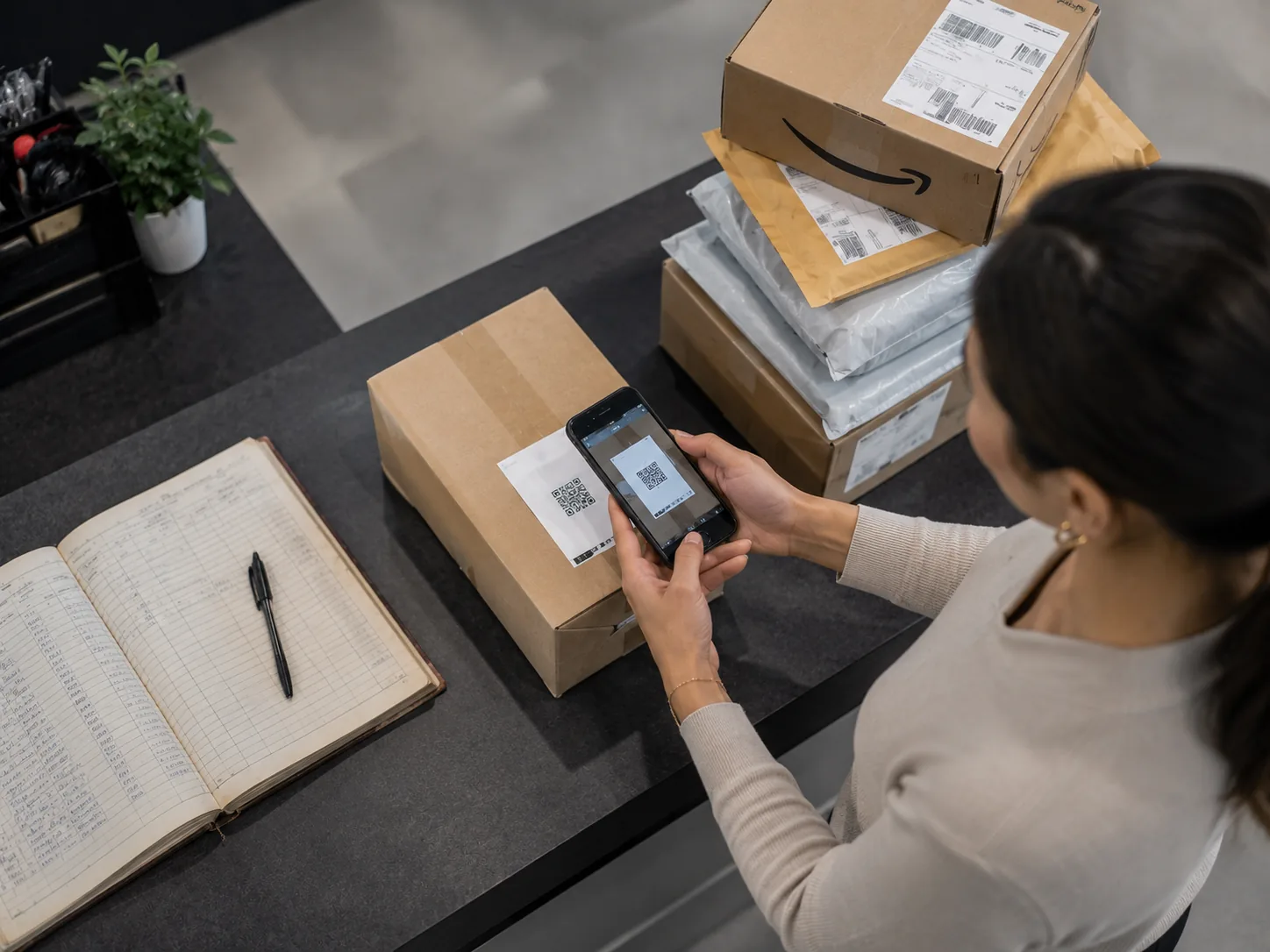
A ledger and a shelf work fine until they don't. You have probably outgrown them when parcels sit uncollected for days, when nobody can say who signed for a delivery, or when a busy Monday means the post does not get logged at all. If a missing item turns into a twenty-minute search, the process is costing more than it looks.
The features that separate good from adequate
Speed at the point of intake
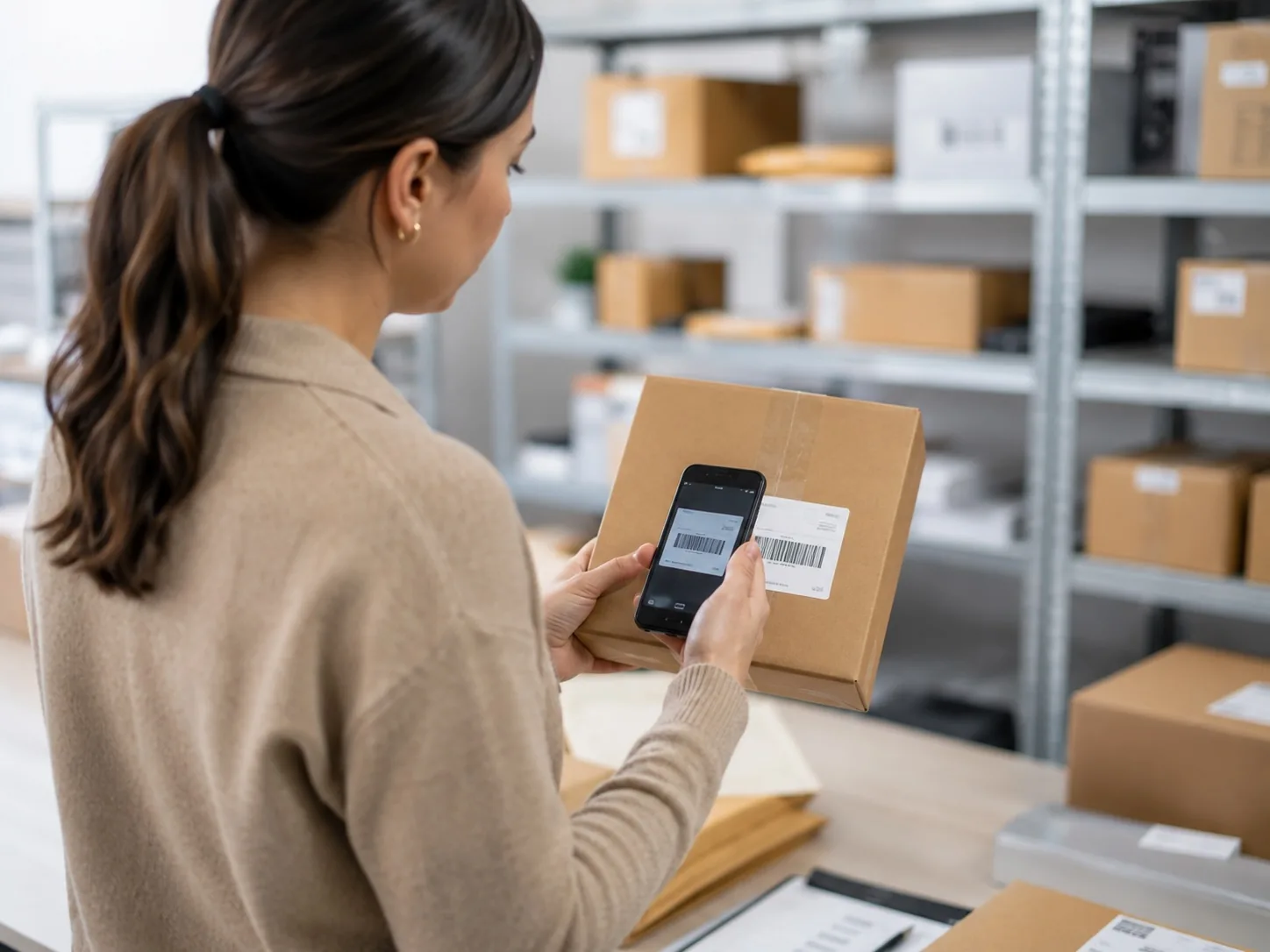
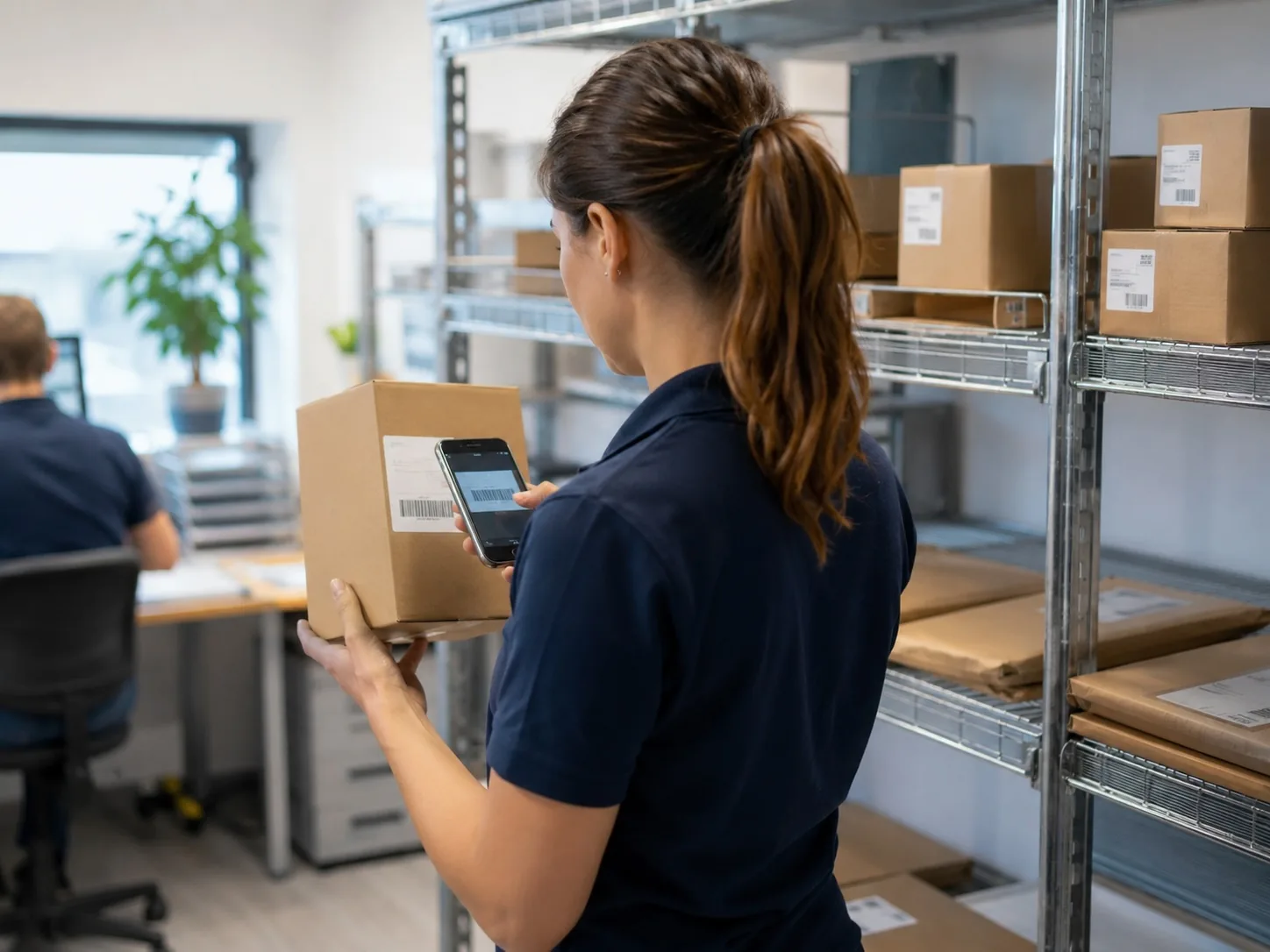
Everything downstream depends on logging being fast. If booking in a parcel takes more than a few seconds, it will get skipped when the trolley is full. Look for a scan-and-go flow that runs on a phone, not a fixed terminal.
Automatic recipient notifications
The moment an item is logged, the recipient should know. Automatic email or SMS notifications are what actually clear the shelves, because people come and collect instead of waiting to be chased.
Proof of collection and an audit trail
Good software captures a signature, a name or a photo at handover, so there is a record of who took what and when. That proof of delivery settles disputes before they start and gives you a clean history for anything sensitive.
Reporting and integrations
Once every item is logged, the data is worth having. Clear reporting shows volumes, collection times and bottlenecks, and sensible integrations let the mailroom talk to the systems you already run.
More than one language
If your building is international, your notifications should be too. Software that works in several languages keeps residents and staff informed in their own, which matters more than it sounds.
Fit for the kind of building you run
An office reception, a university hall in freshers' week and a hospital goods-in bay have very different pressures. The right tool bends to the setting rather than forcing you to work around it. Traizr is used across corporate offices, universities, hospitals and student accommodation, and the flow is the same in each: scan, notify, collect.
How to run a fair trial
Test the software on your worst day, not your quietest. Put it in the hands of the person who actually receives the post, time how long a single item takes from arrival to notification, and check what the record looks like a week later. Rising parcel volumes into workplaces and buildings are not slowing down, as the UK regulator Ofcom notes in its annual postal market reporting, so choose for the volumes you will have next year, not last.
Where Traizr fits
We have been doing this since 2013, and were the first to move the mailroom into the cloud and onto a phone. If you want to see how Traizr handles your building, the quickest way to judge it is to watch it work. Book a demo and bring your busiest scenario.