Goods-in is often a blind spot
Post and parcels get attention. The wider flow of goods coming into a building, supplies, equipment, stock, spare parts, often does not. It arrives at a loading bay or back door, gets signed for by whoever is nearest, and disappears into the building. If someone later asks whether it turned up, the honest answer is frequently a shrug.
Matching goods to the person who ordered them
The core problem with goods-in is connecting what arrived to who was expecting it. A box marked only with a supplier's label means nothing to the person on the bay. Logging each delivery against the recipient, or the order it belongs to, and notifying them, means goods reach the person who needs them instead of sitting in a store nobody checks.
Proof of receipt
When goods are worth real money, proof that they arrived matters. Capturing a record at the point of receipt, with a time and a name, gives you something to point to in a supplier dispute or an internal query. It also discourages the quiet losses that happen when nobody is quite accountable. This is the same proof of delivery principle that works for post, applied to the loading bay.
Bringing order to the bay
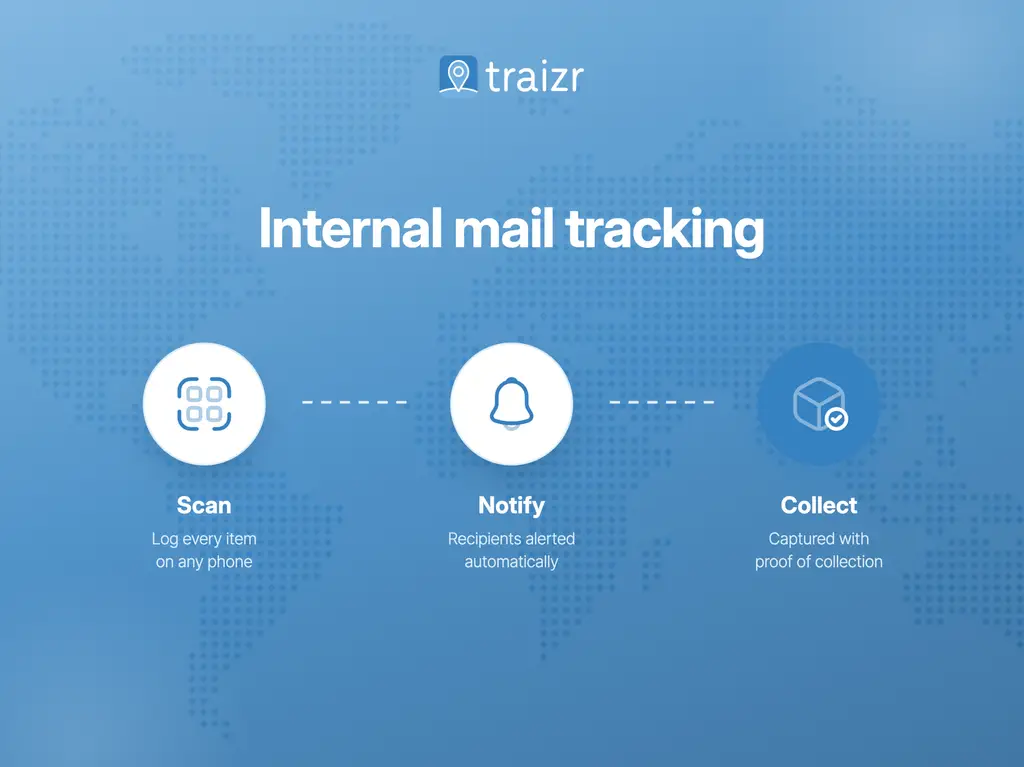
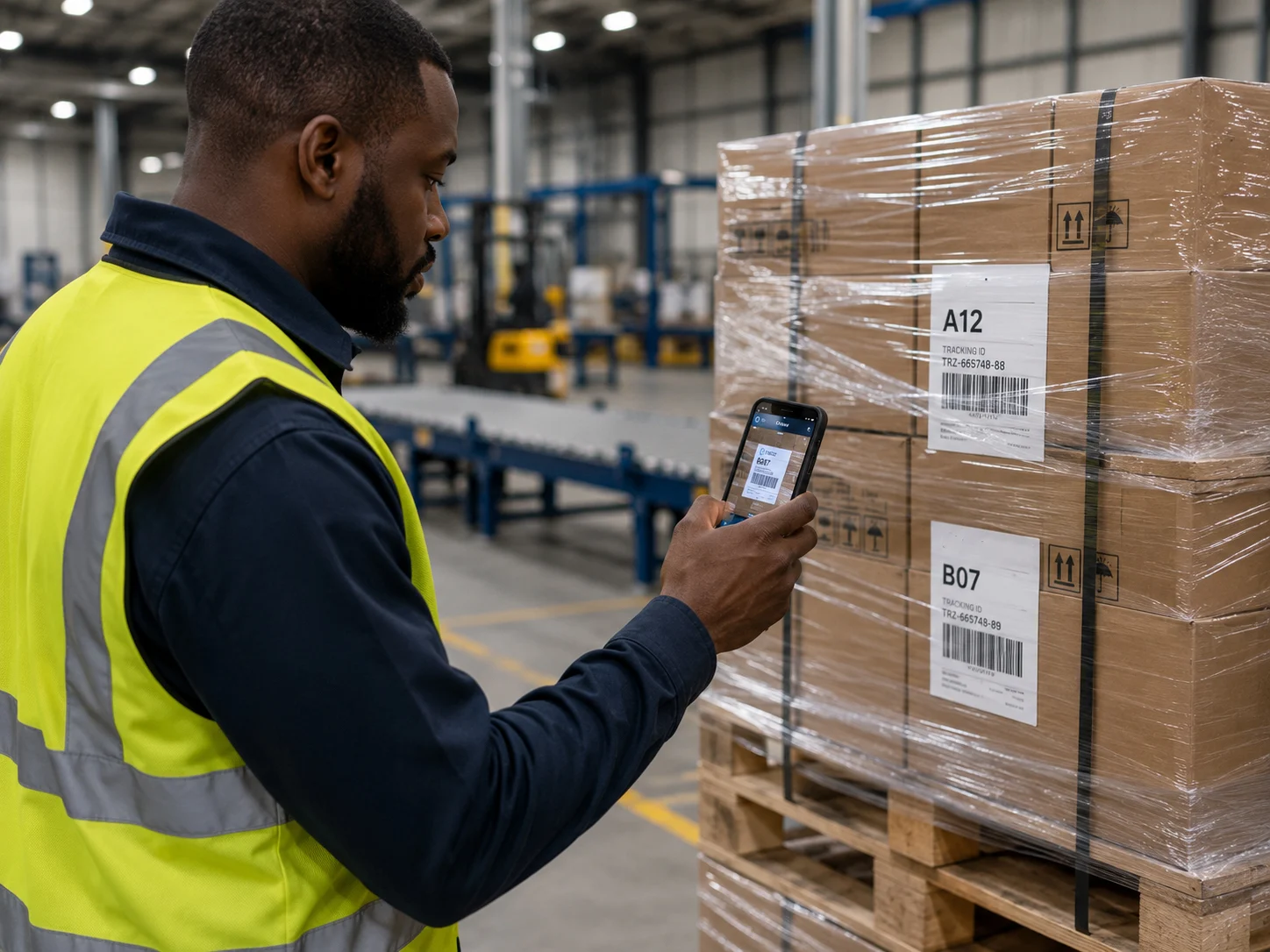
A loading bay is a busy, informal place, which is exactly why a light, phone-based process suits it. A quick scan as goods come in fits the pace of the bay without slowing it down, and it turns an undocumented flow into a recorded one. Our note on managing incoming deliveries covers the approach.
See what actually arrives
Traizr brings the same tracking that works for parcels to incoming goods, using one simple system. To see it on your own deliveries, book a demo.